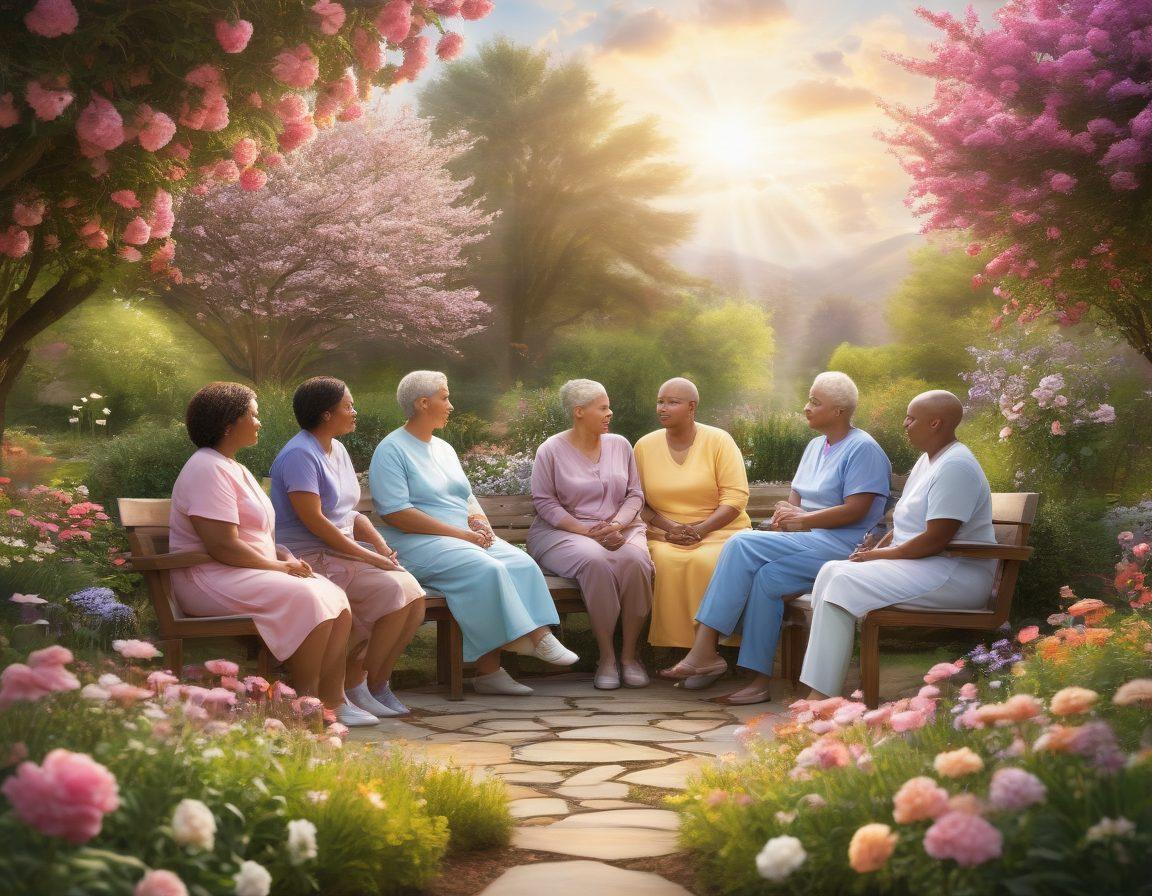
Navigating Your Cancer Journey: Insights from Survivors and Experts in Oncology
When faced with a cancer diagnosis, many patients describe it as being thrust into an uncharted territory. The moment an oncologist delivers that life-altering news, the world seems to tilt, and the mind races with questions: What does this mean for my future? What treatment options do I have? How can I possibly navigate this cancer journey? It's a daunting realization, but understanding that you are not alone is the first step towards empowerment. Each year, thousands of cancer survivors emerge from this overwhelming experience, armed with stories that inspire hope and provide insights into navigating cancer care after the storm has passed.
In this blog, we want to share the empowering stories of those who have walked the path of cancer. Picture Sarah, a vibrant woman who found herself battling stage 3 breast cancer. Faced with countless treatment options, she chose to embrace a holistic health approach, focusing on lifestyle changes and nutritional support that lifted her mental health and enhanced her well-being. "I realized that while I couldn't control my diagnosis, I could control how I responded to it," she said, emphasizing the impact of emotional support from friends and support groups. Her story is just one of many that underline the importance of patient advocacy during this critical time in life.
Cancer statistics can often paint a grim picture, but behind these numbers lie real people with resilience that defies expectations. Each patient has a unique battle, shaping the narrative of their cancer journey. While some seek clinical trials for cutting-edge therapies, others find solace in their community and seek guidance from their oncologist on palliative care options. These personal stories reveal the complexity of treatment decisions—each path taken is a testament to the courage residing in every patient. Their experiences are invaluable lessons that illustrate the importance of comprehensive health education in making informed choices about their care.
But what about the aspect of mental health? Navigating cancer isn’t just about the physical symptoms and treatment options; it's also about dealing with the emotional toll. Cancer survivors often share how mental health support was a crucial element in their recovery. It's essential to ask—how often do we underestimate the power of a supportive network? Establishing connections in support groups can provide comfort and reassurance, helping patients to share fears and victories alike. Each story of resilience builds a fabric of hope that others can lean into, reminding them they don’t have to tread this difficult path alone.
As we pave the way forward, it's imperative for current patients to seek out the resources that resonate with their personal experiences. Whether that means reaching out to support groups, diving deep into health education, or exploring lifestyle changes that aid in cancer prevention, empowerment begins with education, support, and a fierce determination to take charge. In sharing these real stories and expert guidance, we hope to instill a sense of empowerment in every patient. Just like the remarkable individuals who bravely fought their battles, you too can navigate your cancer journey with strength, hope, and the rich tapestry of shared experiences.
From Diagnosis to Survival: Essential Treatment Options and Support for Your Journey
The word 'cancer' can strike fear into the hearts of many. However, as cancer survivors often say, it’s not just a word—it’s a chapter in their life story. From the moment of diagnosis to the victory of survival, the cancer journey can seem overwhelming and isolating. Yet, there is hope, there are options, and there is support. With the right cancer care and treatment options, patients can navigate this journey with strength. This blog explores the essential treatment options and support available, sharing valuable insights from oncologists and stories from those who have walked this challenging path.
When facing a diagnosis of cancer, patients often feel like their world has been turned upside down. This is where the role of an oncologist becomes crucial. An oncologist is not just a healthcare professional; they are a beacon of knowledge, providing clarity amidst the confusion. One survivor reflects, "My oncologist held my hand through every step, offering health education that transformed my fear into understanding." This highlights the importance of establishing a relationship with your oncologist—one built on trust—that can guide you through treatment options like therapy, clinical trials, and palliative care, tailored to each patient’s unique needs.
Cancer care isn't just about treating the disease; it’s about supporting the whole person. As many cancer survivors know, lifestyle changes, including nutritional support and emotional support, play a pivotal role in recovery. Changing one’s diet, incorporating holistic health practices, and joining support groups can significantly impact well-being. One survivor shared, "I joined an online support group that made me feel less alone. We shared our personal stories, our fears, and our triumphs. It was a lifeline through dark times." Engaging in such groups fosters community and creates a network of hope—an essential ingredient in your cancer journey.
Additionally, understanding cancer statistics can empower patients. While the numbers can seem daunting, many patients find strength in knowing that survival rates are improving—thanks to advanced therapies and research initiatives. Organizations are working tirelessly to improve cancer prevention and develop new treatment options. By advocating for oneself and learning more about available resources, patients can take active roles in their recovery. Are you familiar with the local clinical trials that might offer innovative therapies? Exploring these advancements can lead to opportunities that significantly enhance outcomes.
Lastly, mental health deserves equal attention during the cancer journey. Acknowledging the emotional rollercoaster that comes with cancer diagnosis and treatment is vital. Experts emphasize that seeking mental health support, whether through professional therapy, support groups, or even creative outlets like art, can aid in emotional processing. After all, as one cancer survivor put it, "Surviving cancer is just part of the story; thriving through the experience is where the real journey begins." So, question yourself: What steps can you take today to prioritize both your physical and mental health? Start by reaching out for support and exploring the abundant resources available for you in this chapter of your life.
Holistic Health Strategies: Enhancing Well-Being During Cancer Treatment and Recovery
Navigating the rocky road of cancer can feel like a daunting uphill battle, but what if you could equip yourself with holistic health strategies that not only enhance your well-being but also enrich your entire cancer journey? Every year, millions of patients embark on their battle against cancer, armed with the guidance of skilled oncologists and treatment options that can vary widely. Yet, amidst the whirlwind of oncology appointments, symptoms, and diagnoses, it's crucial to cultivate a sense of balance through holistic health practices. Personal stories from cancer survivors often reveal that treating the mind, body, and spirit can open new avenues for healing and recovery.
Imagine this: Sarah, a vibrant 34-year-old, was diagnosed with breast cancer. Instead of solely relying on conventional therapies, she sought to complement her treatment with holistic health approaches. Through nutritional support, like a diet rich in fruits and vegetables, and by joining a support group that focused on emotional health, Sarah discovered a renewed sense of control over her well-being. "You don't just fight cancer with medicine; you fight it with mind, soul, and heart!" she often shares, emphasizing the intertwined nature of body and spirit during cancer care.
But how does one navigate the vast world of holistic health? One thing is crucial: being informed. Health education plays a pivotal role. For example, understanding cancer statistics can provide insight into the importance of lifestyle changes for prevention. Engaging with patient advocacy groups can also facilitate actionable knowledge on clinical trials and innovative therapies, providing hope and options that go beyond standard treatments. This quest for knowledge empowers patients to become active participants in their own care, transforming queries like, "What can I do to enhance my treatment?" into actionable steps.
Let’s talk mental health. The emotional toll of cancer cannot be overlooked. As many cancer survivors have pointed out, the mental strain often rivals the physical challenges of treatment. Integrating practices such as mindfulness, journaling, or even simple breathing exercises can make a significant difference. When you’re feeling overwhelmed, ask yourself: How can I nurture my mental well-being today? The answers are often simpler than one thinks, sometimes involving a warm cup of tea and a quiet corner rather than an extensive therapy session.
Finally, let’s explore the power of community. Support groups provide a platform for sharing personal stories, instilling hope, and even offering practical advice from fellow patients. Sometimes, the best source of emotional support comes from those who are navigating similar experiences—individuals who genuinely understand the complexities of the cancer journey. So as you continue on your own path, remember that holistic health strategies aren’t just about healing; they’re about living fully in the moment, embracing both the struggles and victories, and above all, finding joy along the way.